
Navigating Global Logistics Shifts: Implications for Vietnam's Southern Ports
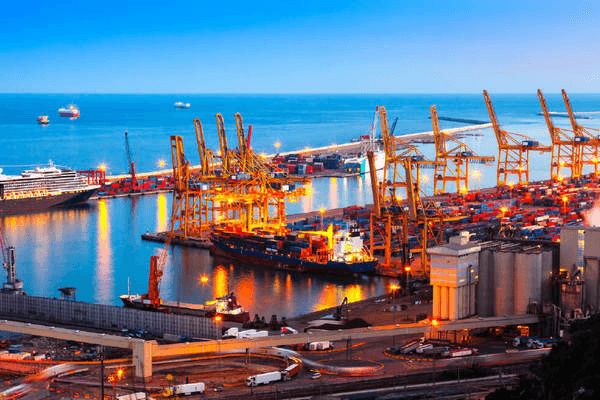
Recent developments in global maritime security, autonomous technology, and supply chain consolidation present both challenges and opportunities for Vietnam. As Ho Chi Minh City strengthens its regional connectivity, Vietnamese port operators must prepare for stricter international compliance and integrate advanced automation to maintain competitiveness in a rapidly evolving logistics landscape.
The global maritime sector is undergoing significant structural changes, driven by heightened security concerns and technological innovation. A notable development is the launch of a G7-backed global port security network aimed at combating drug trafficking through maritime supply chains. This initiative links major seaports, customs authorities, and international organizations, signaling a new era of collaborative enforcement. For Vietnamese seaports, particularly in the southern region, this implies a need for enhanced compliance frameworks and closer coordination with international customs bodies to avoid bottlenecks and maintain trade flow efficiency.
Simultaneously, the logistics industry is witnessing a surge in the adoption of artificial intelligence and autonomous technologies. Reports indicate that autonomous truck fleets are already operating in controlled environments such as intermodal yards, exceeding human productivity in specific tasks. While these technologies are currently prominent in the US market, their trajectory suggests a broader global shift toward automation in port operations and last-mile delivery. Vietnamese logistics providers and port authorities should monitor these trends closely, as the integration of AI for real ROI rather than mere hype is becoming a critical competitive factor.
In the domestic context, Ho Chi Minh City is actively reinforcing its position as a regional supply chain connector. The city is inviting businesses from Japan’s Aichi Prefecture to expand investments in manufacturing, high technology, logistics, and green energy. This strategic push aims to enhance local value and supply chain competitiveness for southern provinces. The influx of foreign investment, particularly in logistics and high-tech sectors, will likely increase demand for efficient port services and robust inland connectivity, placing pressure on existing infrastructure to handle higher volumes of high-value goods.
The broader economic environment is also influencing logistics dynamics. Major shipping lines are reporting significant profit increases due to stronger trans-Pacific trade, although geopolitical disruptions continue to cloud the long-term outlook. This volatility requires Vietnamese logistics companies to adopt more agile and resilient strategies. Diversifying trade routes and strengthening partnerships with regional partners can help mitigate risks associated with geopolitical instability. Furthermore, the emphasis on specialized robotics in sectors like agro-fishery processing and electronics suggests that Vietnam’s manufacturing base is evolving, which will in turn alter the nature of cargo flows through its ports.
For the ship-repair industry, these trends highlight the importance of maintaining high standards of vessel maintenance and compliance with international security protocols. As ports become more integrated into global security networks, the demand for reliable and efficient ship repair services will likely increase to ensure vessels meet stringent operational and safety requirements. Companies in this sector should consider investing in digital tools and automation to improve service quality and turnaround times, aligning with the broader industry shift toward technological integration.
In conclusion, the convergence of global security initiatives, technological advancements, and regional investment flows creates a complex but promising landscape for Vietnam’s maritime and logistics sectors. By proactively adapting to these changes, Vietnamese stakeholders can enhance their competitiveness and contribute to the sustainable growth of the regional supply chain. The key lies in balancing technological adoption with regulatory compliance and strategic partnership development.
This article was AI-assisted and is provided for general industry information. Please consult the original sources for details.
Sources
- Ho Chi Minh City reinforces position as regional supply chain connectorVietnamPlus · November 10, 2026
- Ho Chi Minh City invites Aichi businesses to expand manufacturing investmentsTuoi Tre News · November 9, 2026
- Radiant Logistics touts enhanced credit facility, eyes larger M&AFreightWaves · November 9, 2026
- RoK’s AI robotics drive opens cooperation opportunities with VietnamVietnamPlus · November 9, 2026
- G7 Launches Global Port Security Network to Combat Drug TraffickinggCaptain · November 9, 2026
- Cosco profit rockets 81% as ocean freight revenue climbs in Q3FreightWaves · November 9, 2026
- AI in Logistics: How to Get Real ROI, Not Just HypeFreightWaves · November 9, 2026
- SELF-DRIVING Trucks Are HERE: Venti CEO Reveals US Fleet OperationsFreightWaves · November 9, 2026